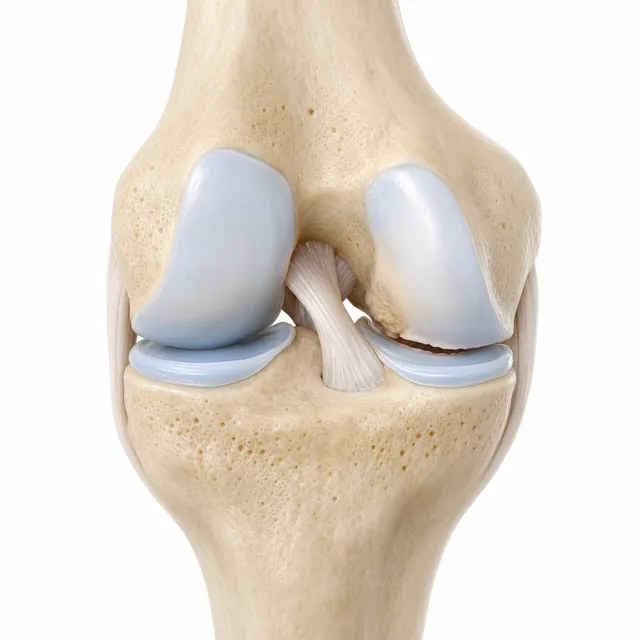
 Most studied
A knee worn, but not bone-on-bone.
The most trials behind it, led by a 146-patient phase 3 trial that found better pain and function at 6 and 12 months than placebo.
For many people with a worn knee, injections can reduce pain and help delay a replacement. How much depends on the joint and how far it has worn, and this page sorts that out one joint at a time, straight from the published trials.
Ten questions, no email, no call. The result names a sensible next step for your joint.
For many worn knees, yes: injections can reduce pain and help delay a replacement. The shoulder and the spine have smaller, earlier trials, some of them encouraging. How worn the joint is matters as much as which joint: a knee at grade II to III (joint space still there) tends to respond better than one at grade IV (bone-on-bone).
Looking for information on IV treatment, or on neurologic or autoimmune conditions? See more here: IV treatment and neurologic and autoimmune conditions.
Most studied
The most trials behind it, led by a 146-patient phase 3 trial that found better pain and function at 6 and 12 months than placebo.
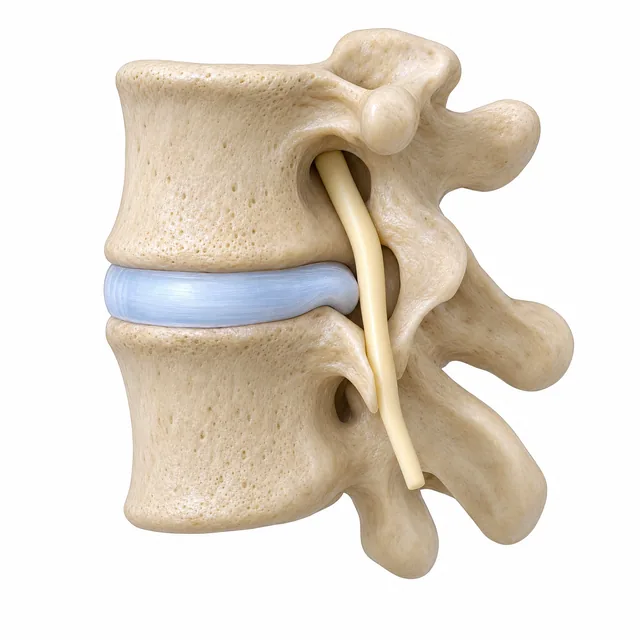 Early evidence
Smaller trials, some encouraging: in one, donor cells placed in the disc improved pain and function at one year.
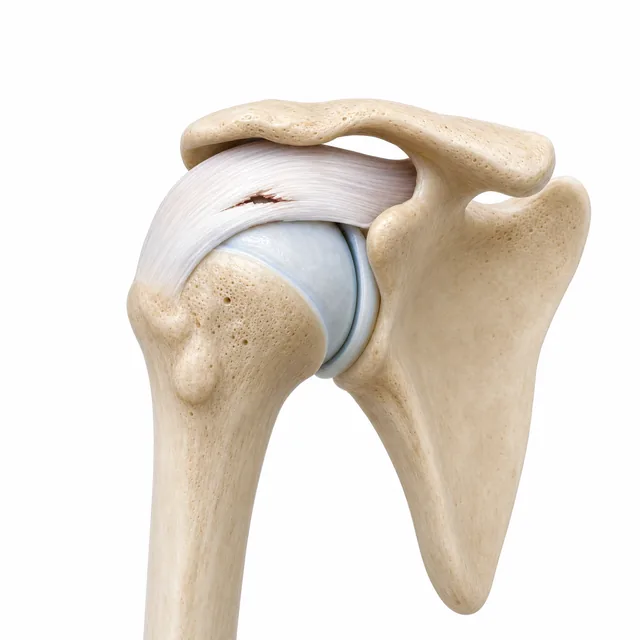 Early evidence
Early and small: one study saw pain fall and partial tears shrink on MRI over two years. Controlled trials are still catching up.
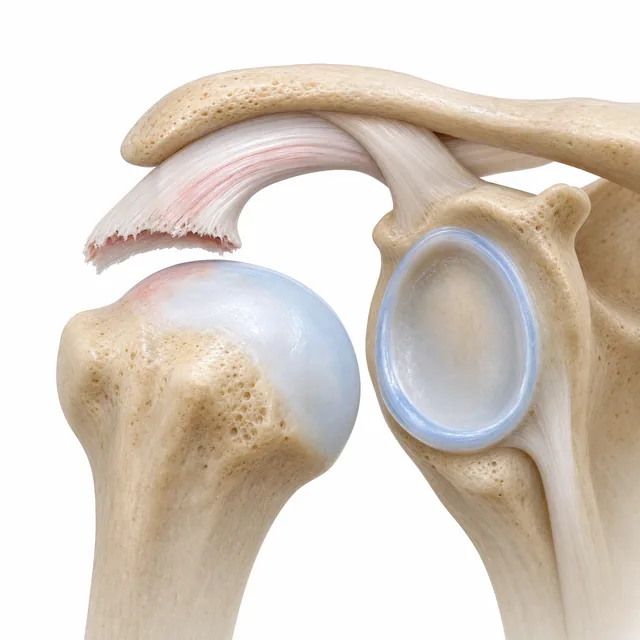 A surgeon's case
Here a surgeon is the right call, and we will say so and name one we trust. A joint that turns hot, red and swollen, often with a fever, or back pain with sudden leg weakness or loss of bladder or bowel control: go to an emergency room today.
Curious which card is yours? Ten questions, about 2 minutes, point you to a next step. The medical reasons we decline anyone are on who this is not for.
Find your next step →One percentage cannot tell you how your joint will do: response varies by joint, by how carefully patients were screened, and by what counted as a response. We won't quote a rate we can't stand behind. You get something more useful: a straight read of your own imaging.
Why one number can't be right for you
One figure blends the knee, the shoulder, and the spine into a single number.
A clinic that treats everyone and one that reads imaging first will report different numbers.
Unless a clinic says how it measured a response, its number cannot be checked.
The honest part: many patients improve, and no one can yet promise which ones. That is why your imaging is read before anything is booked.
Want a read on your own joint instead of a percentage? Start with ten questions.
Find your next step →On the first call your coordinator asks what you want back. Every later call is measured against it.
What you want back
Walk the dog two miles without stopping.
“Be able to do the activities that I want to do and live the life that I want to live.”
Scott M., 68 · Spine pain. A real patient, not a script. Individual results vary.
At night, on the stairs, first thing in the morning.
The walk, the round of golf, the floor with a grandchild.
For early-to-moderate wear, some patients delay one. Surgery stays open either way.
Start with what you want back. Ten questions, no email.
Find your next step →The first 4 weeks are usually quiet while the cells work. A response usually shows between weeks 4 and 12 and can keep building through the first year; the spine is slower, 3 to 6 months. The week-by-week timeline has the detail.
24 to 72 hours of soreness after a knee, hip or shoulder injection; about a week after a spine injection.
The cells work slowly, through signaling to nearby tissue.
This read is the one month 6 is compared against.
Measured against where you started. If nothing has changed, you hear it plainly, with the options: a second treatment, a surgeon's opinion, or both, never a second treatment by default. After that, a call once a year.
Every call is read against where you started.
Find your next step →Nobody is quoted, booked, or treated before the physician team has read your imaging.
Your history, your goals, and what to send.
Your X-ray or MRI report, and what has been tried.
They review your imaging and history and decide whether cells are a good fit for your joint.
A plan and an itemized quote, if the answer is yes.
Candidacy is confirmed from your imaging and the call; on arrival the physicians examine you to plan how the treatment is done. Either way you get a clear answer in writing, and if cells are not the right tool, the name of a surgeon we trust.
Steps 1 and 2 are the only ones you do.
Book a call →Celva operates inside Hospital Angeles Tijuana, a 116-bed private hospital in the Angeles Health network, 25 to 30 minutes from San Diego. The physician team, the anesthesiologist and hospital imaging are on site for your session.





The physicians on every chart. Full bios →
Most patients are home the same day.
Find your next step →Start with ten questions, no email asked. When you want a person, the first call is with a Celva patient coordinator, about 15 minutes, and the physician team answers in writing which answer your joint is in.