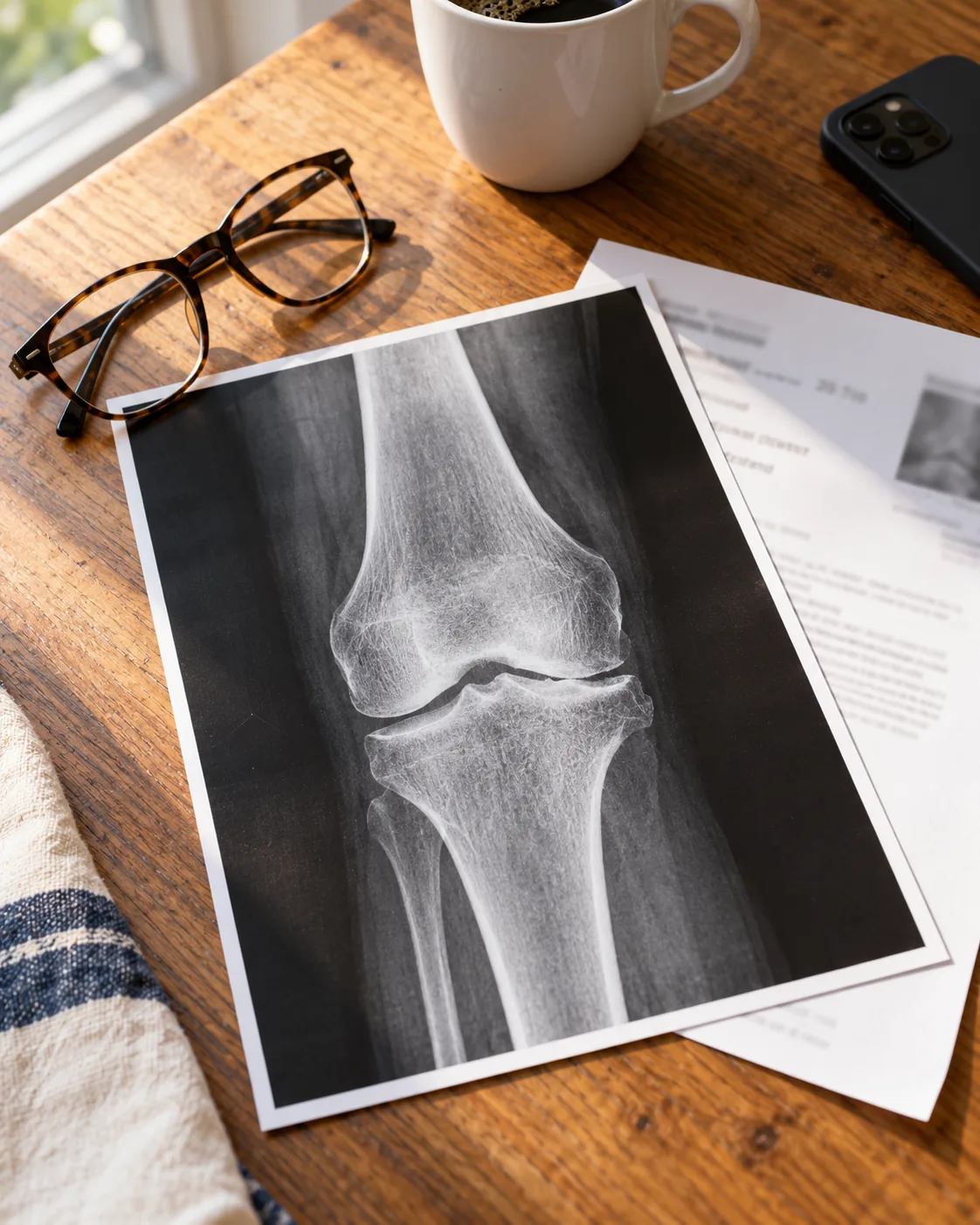
Moderate arthritis, with joint space still there.
Kellgren-Lawrence grade II to III (the grade on your X-ray report), joint space preserved in at least one compartment. The profile we accept most often.
If a surgeon has said the word replacement, you were probably handed one option and came looking for the rest. Here are the options a knee patient is usually offered: what each does, what it doesn't, and how long it lasts. One of them is ours. Some of the others are the right call, and this page says which.
Ten questions, no email, no call. The result names a sensible next step for your knee.
Eleven lines, from physical therapy to a total replacement. Cells, placed under live imaging at Hospital Angeles, Tijuana, are the one Celva offers.
The injection leaves your joint in place, so a replacement remains an option afterward.
"I've had steroids in my knees. I've had injections of fluid in my knees to try to help. Nothing really seemed to work." Pete W. had climbed most of the list above before he called. Cells are evaluated for the knee in the middle of it: past the shots, short of the operation.
Kellgren-Lawrence grade II to III (the grade on your X-ray report), joint space preserved in at least one compartment. The profile we accept most often.
Grade IV, sometimes with bone lost beneath the cartilage. A lower expected response than a moderate knee, and you hear that before any quote. Considered case by case.
We'll consider you after an honest forecast, not instead of one. Meniscus damage and wear after an old injury, where cortisone or PRP no longer holds, are read the same way.
Ligament instability that needs reconstruction, or a knee that needs hardware: surgery is the right tool, and we say so. A knee that suddenly turns hot, red and swollen, often with a fever, or that you can no longer stand on, needs urgent care today.
Candidacy is confirmed from your imaging and the call. When you arrive, the physicians examine the knee in person to plan how the treatment is done. The treatment day, step by step →
Some knees have run out of joint. A replacement is reliable at that end, and good surgery is good medicine. These are the knees the physician team sends back to a surgeon.

Cells don't hold an unstable knee together. That is an operation.
When only an implant can correct the structure, the implant is the answer.
The expected response to cells is lower here. If you still want to delay, we'll weigh it with you. If you want the dependable answer, it's the operation.
That is your call. Expect 1 to 2 hours in surgery under general or spinal anesthesia, 1 night to several in hospital, walking with support within a day or two, and typically 3 to 6 months before most daily activity feels normal.
When the physician team reads a knee like these, the answer is a surgeon, and we say so instead of quoting you.
Not sure which side of that line your knee is on? Ten questions, about 2 minutes.
Find your next step →No promises about outcomes. What you get is a schedule somebody keeps, by phone or video, from home.
Soreness at the site for 24 to 72 hours is common. Stay off the knee with very limited activity for the first 7 to 10 days. At 1 week your patient coordinator or aftercare specialist calls, and a physician joins when needed.
Loading and strengthening inside physical therapy are fine. Outside it, avoid loading the knee for 4 to 6 weeks. Too early to judge the cells, and we say so.
Stairs, time on your feet, the distance you had given up. Running and impact sport wait until weeks 8 to 12.
This call compares you with where you started. Whether a second treatment makes sense is decided at these reviews, then the calls go yearly.
Each call is measured against the knee you start with. The 2-minute check shows where that is.
Find your next step →Nobody is quoted, booked, or treated before the physician team has read your imaging.
They take your history and tell you what to send. Nothing to commit to.
An X-ray report, an MRI, or the films, plus a list of what you've tried. No recent imaging is fine too.
Your imaging against your symptoms: candidate or not, one knee or both.
A written answer, with a plan and an itemized quote for your case.
Steps 1 and 2 are the only ones you do. Take the call, send what you have, and the rest is ours.
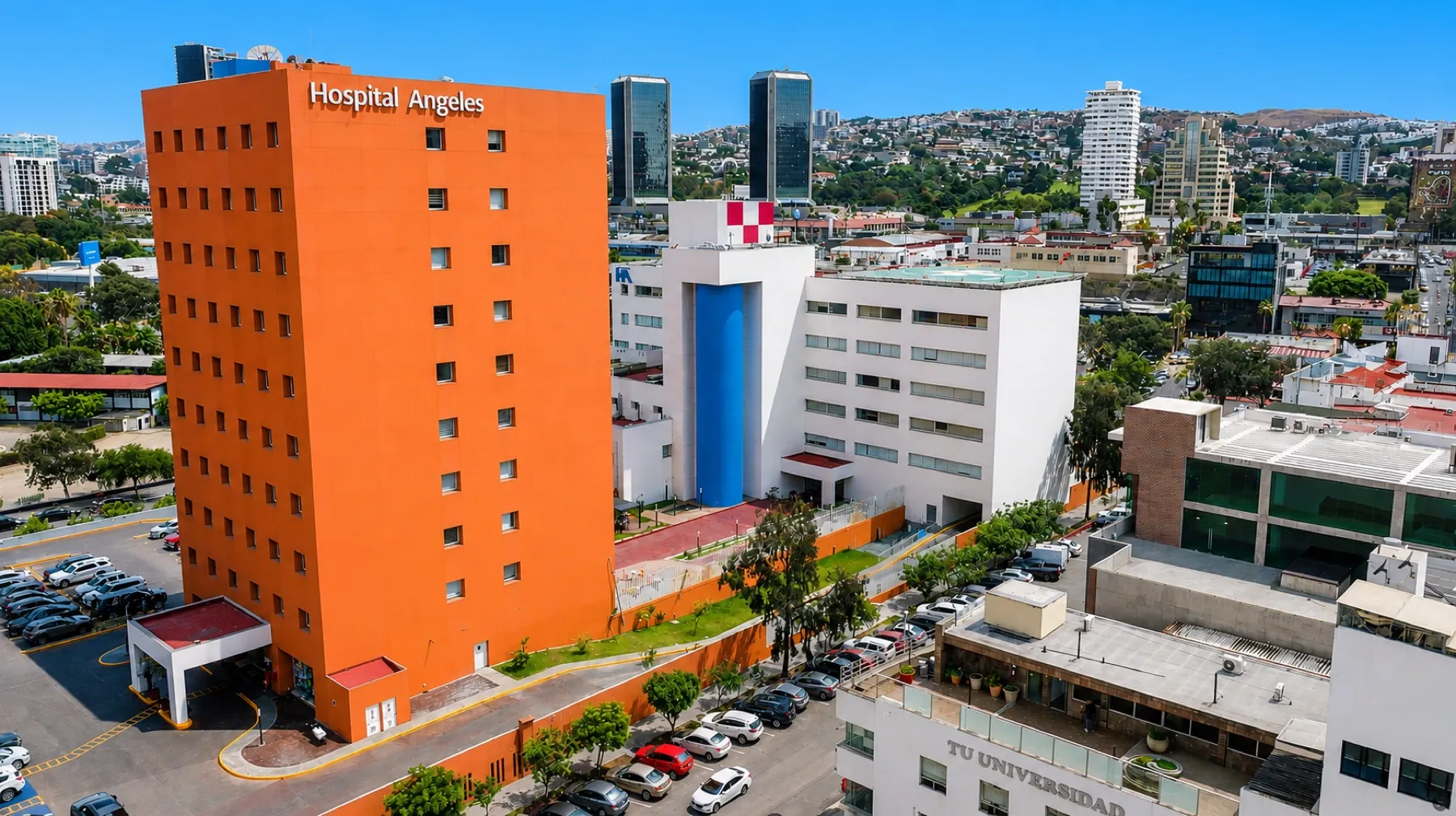
Book a call →Celva operates inside Hospital Angeles Tijuana: a 116-bed private hospital, part of Angeles Health, one of Mexico's largest private hospital networks.


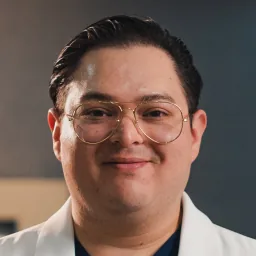

The physicians on every chart. Full bios →
Ask any clinic what's in the building if a knee injection needs more than the room it's done in. Then ask us.
Find your next step →Start with 10 questions, no email asked. When you want a person, the first call is with a Celva patient coordinator, about 15 minutes, and the physician team answers in writing: a candidate for cells, or a knee that belongs with a surgeon.